PROJECT OVERVIEW
This project focused on UX research and strategy for a health and fitness website designed to support users across different fitness levels and lifestyles. The goal was to create a more accessible, motivating, and user-friendly digital experience through research-driven design.
The project included competitor analysis, user research, personas, customer journey mapping, information architecture, and low-fidelity wireframes for desktop and mobile.
THE PROBLEM
Many fitness websites lacked clear navigation, personalization, and mobile usability. Users also experienced technical issues, overwhelming interfaces, and difficulty staying motivated.
Research revealed that users wanted simple and intuitive navigation, personalised fitness and nutrition content, better mobile experiences, progress tracking tools, motivating and supportive features.
The challenge was to design a platform that simplified the fitness journey while supporting different user goals and lifestyles.
MY DESIGN PROCESS:
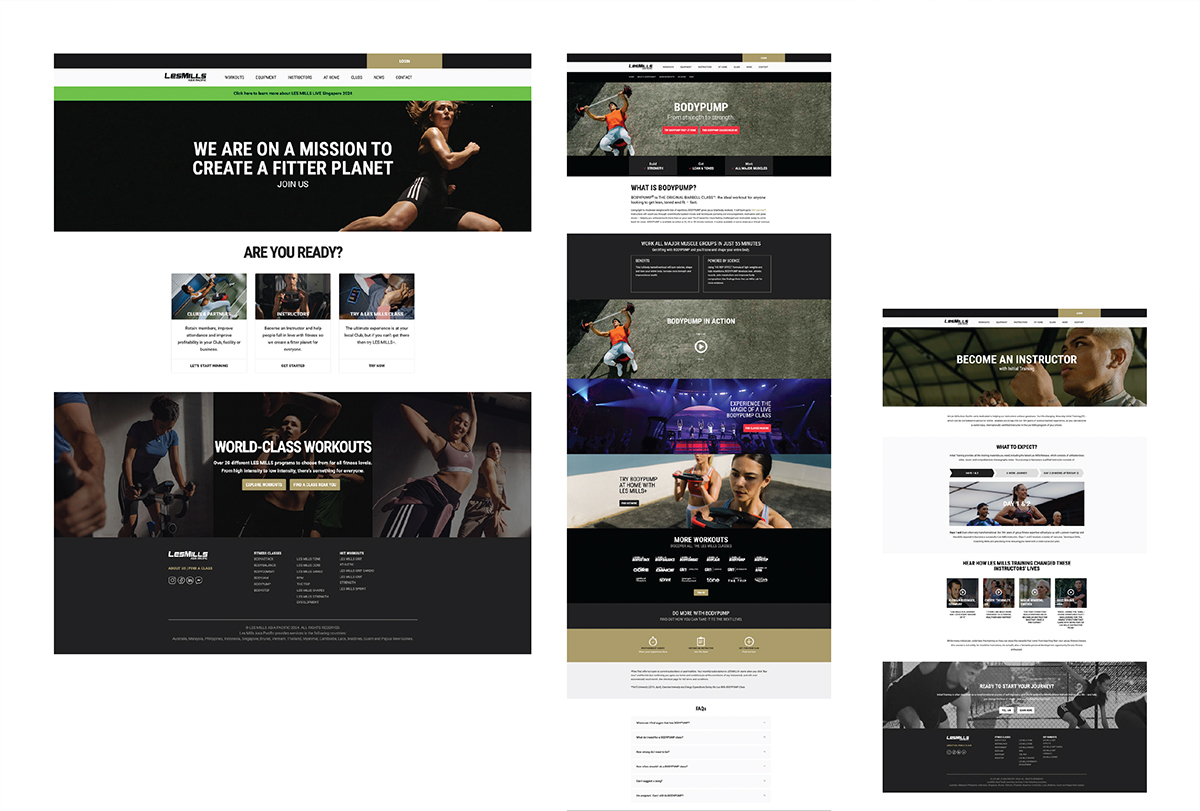
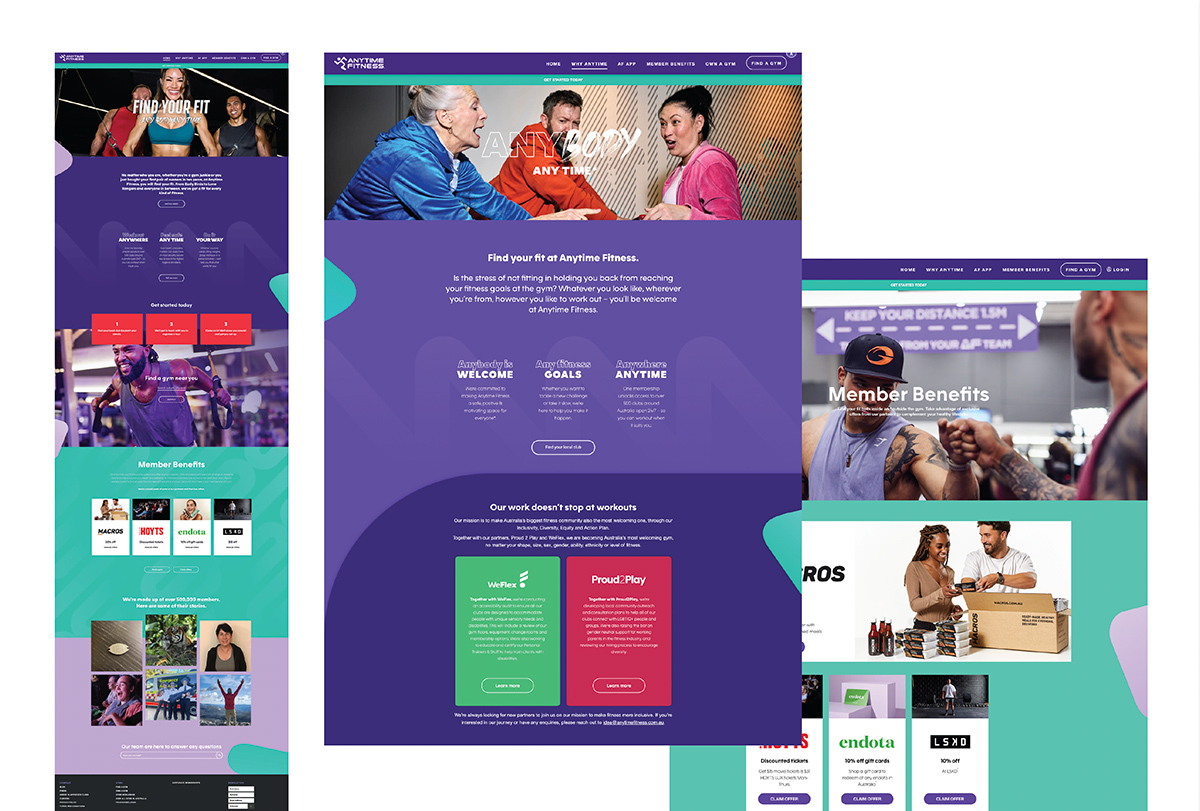
- Competitor Analysis: I analysed fitness platforms including 12WBT, 28 by Sam Wood, Les Mills, and Anytime Fitness to identify usability issues, navigation problems, and opportunities for improvement.
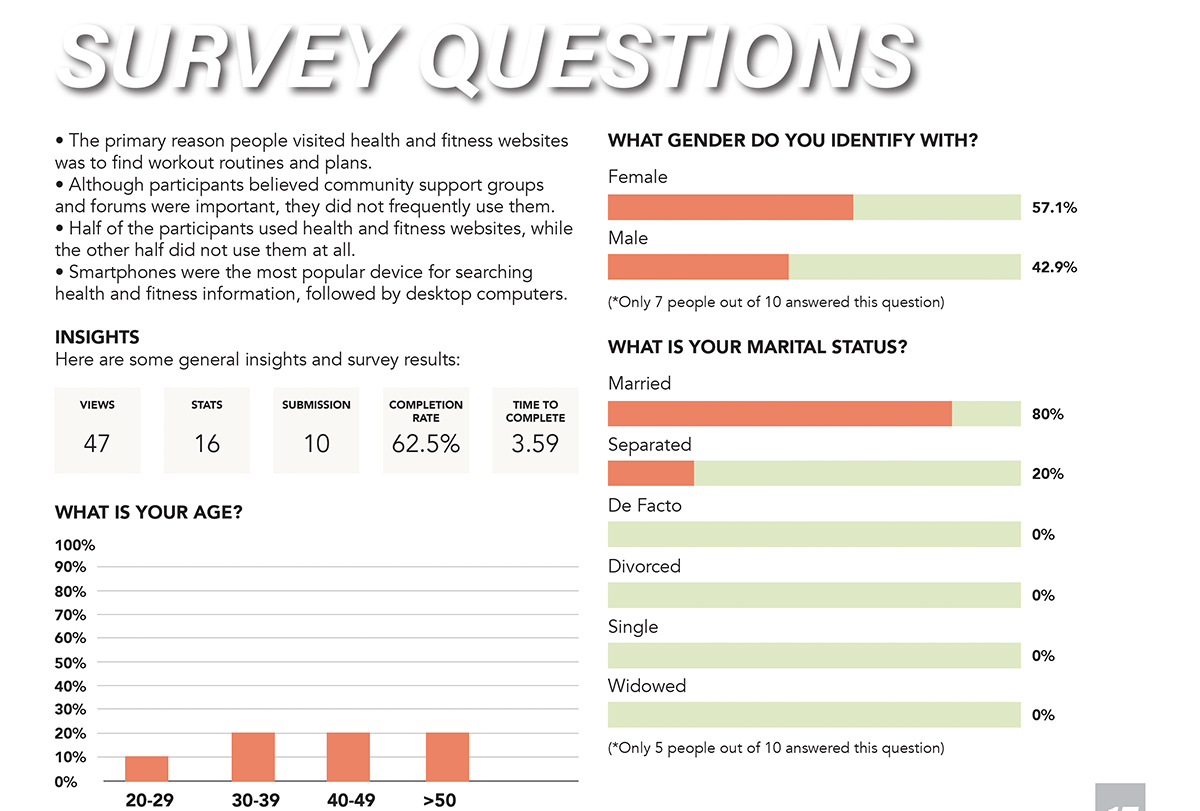
- User Research: I conducted surveys, interviews, and contextual inquiry research to better understand user behaviours, motivations, frustrations, and fitness habits.
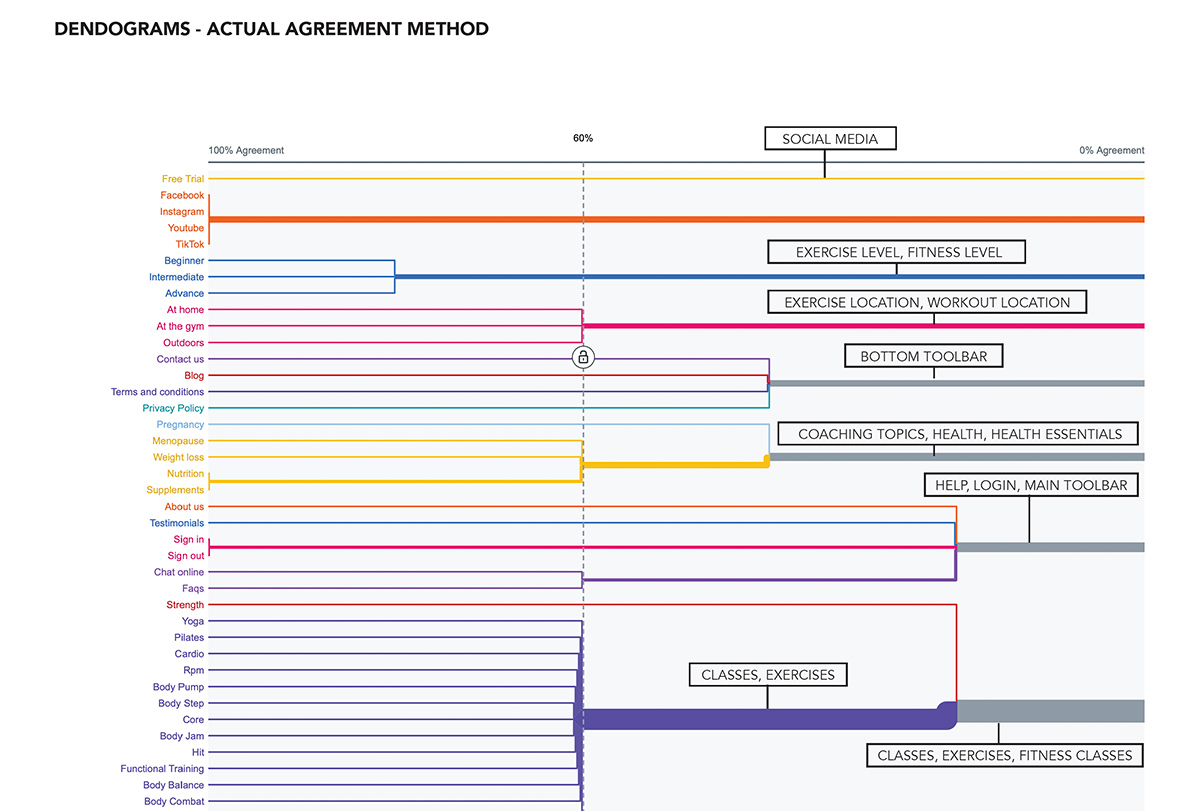
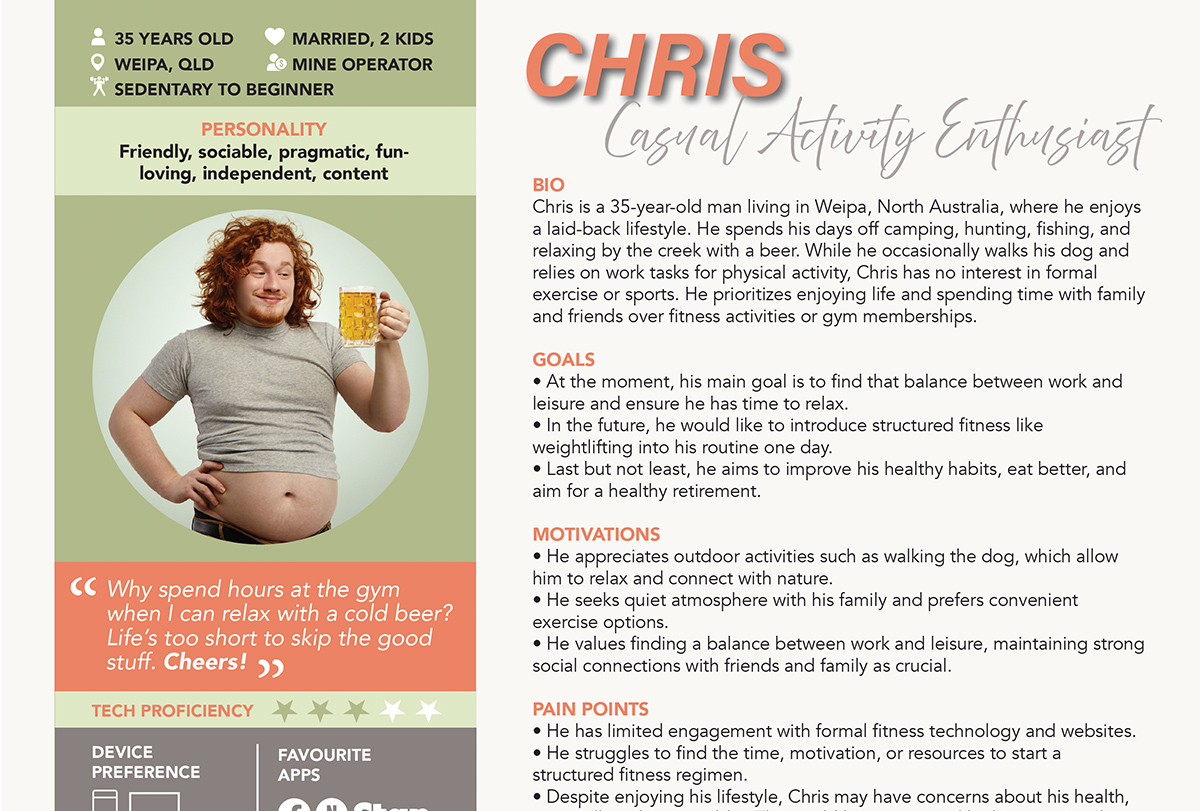
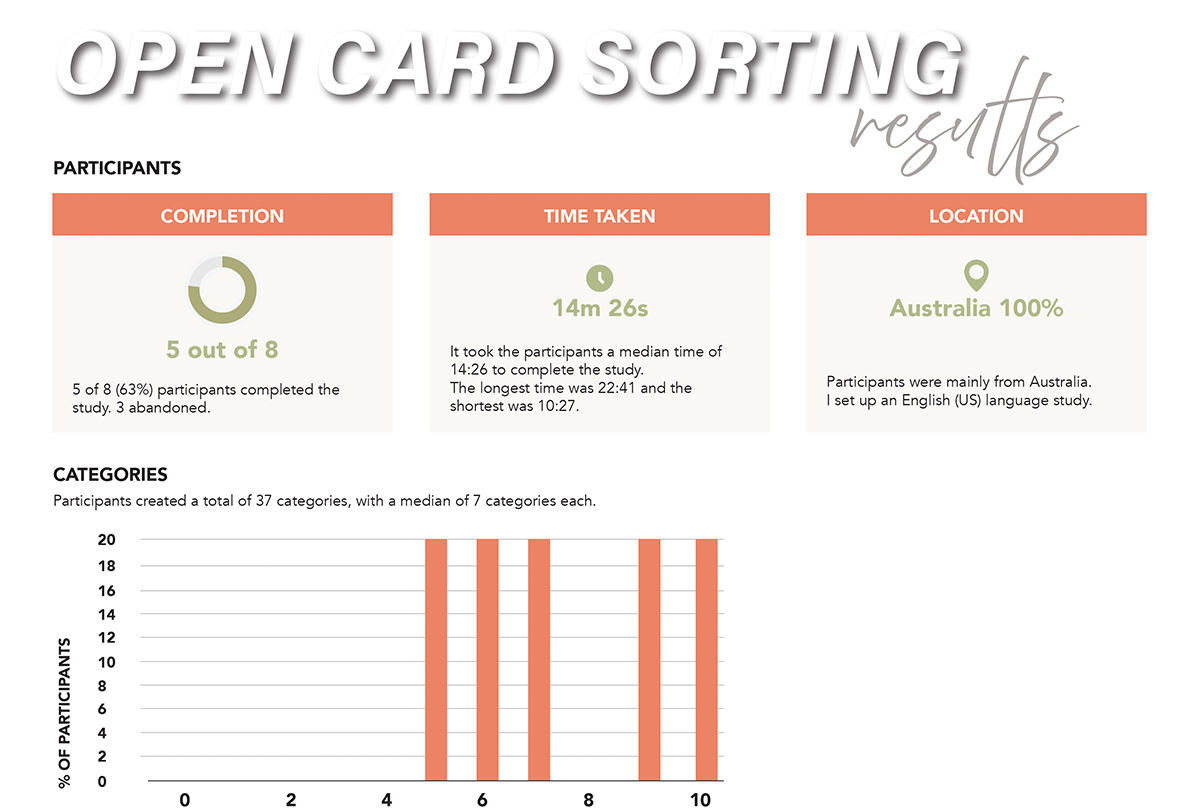
- Personas & Information Architecture: Using the research findings, I created personas, customer journey maps, and a simplified sitemap informed by card sorting activities to improve usability and navigation.
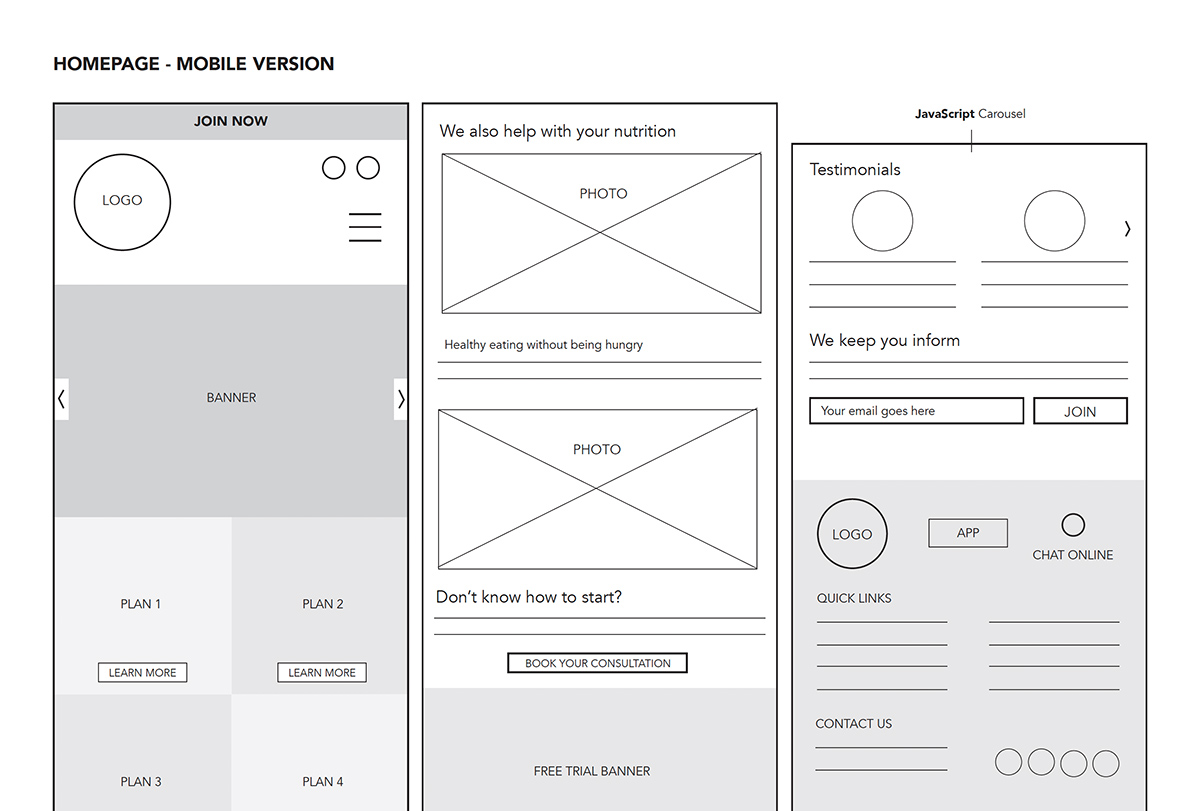
- Wire-framing: I designed low-fidelity desktop and mobile wireframes focused on clear navigation, responsive layouts, personalised content, and accessible user flows.
OUTCOME AND OVERVIEW:
The final concept delivered a cleaner and more intuitive fitness platform focused on usability, accessibility, and personalization. This project strengthened my skills in UX research, information architecture, wireframing, and user-centred design.